
Conventional recovery of metals from the Earth involves mining of ore deposits, an energy-intensive and environmentally impactful process. Most ore deposits form in the shallow roots of ancient volcanoes due to the movement of hot, metal-laden solution through rocks followed by precipitation of ore minerals. These ore deposits become exhumed to Earth's surface by uplift and erosion, eventually becoming accessible to mining operations. Because the metals of interest are now in solid form and the rocks that host them are cold, many of the original advantages of the ore-forming process, namely the occurrence of metals in hot solutions have become lost. As a results, a great deal of effort is spent separating ore minerals from waste rock and getting the metals back into solution for refining. Although well-established in the mining industry, is ultimately a wasteful process. A novel strategy of drilling directly into hot sub-volcanic systems and extracting both the heat (a source of renewable geothermal energy) and the dissolved metals, respresents a green alternative. However, this idea remains to be explored from a scientific and environmental perspective and is not yet deployed anywhere in the world.
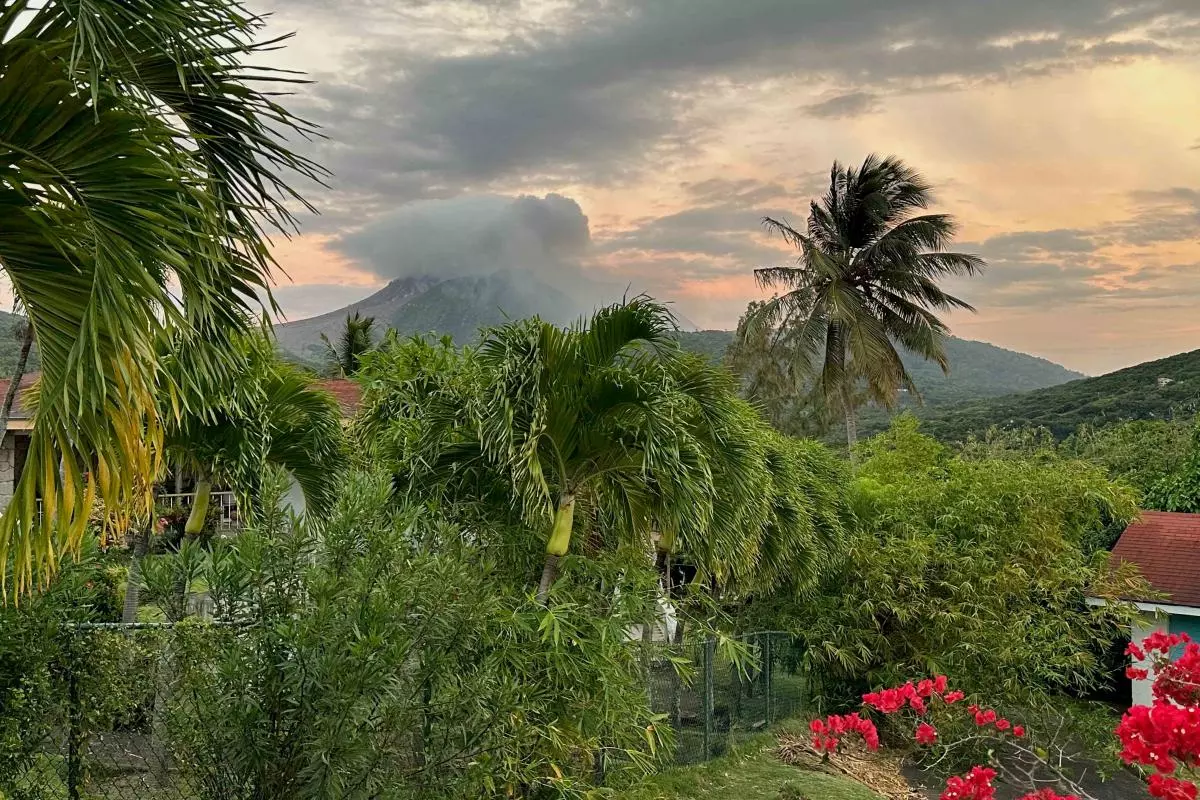
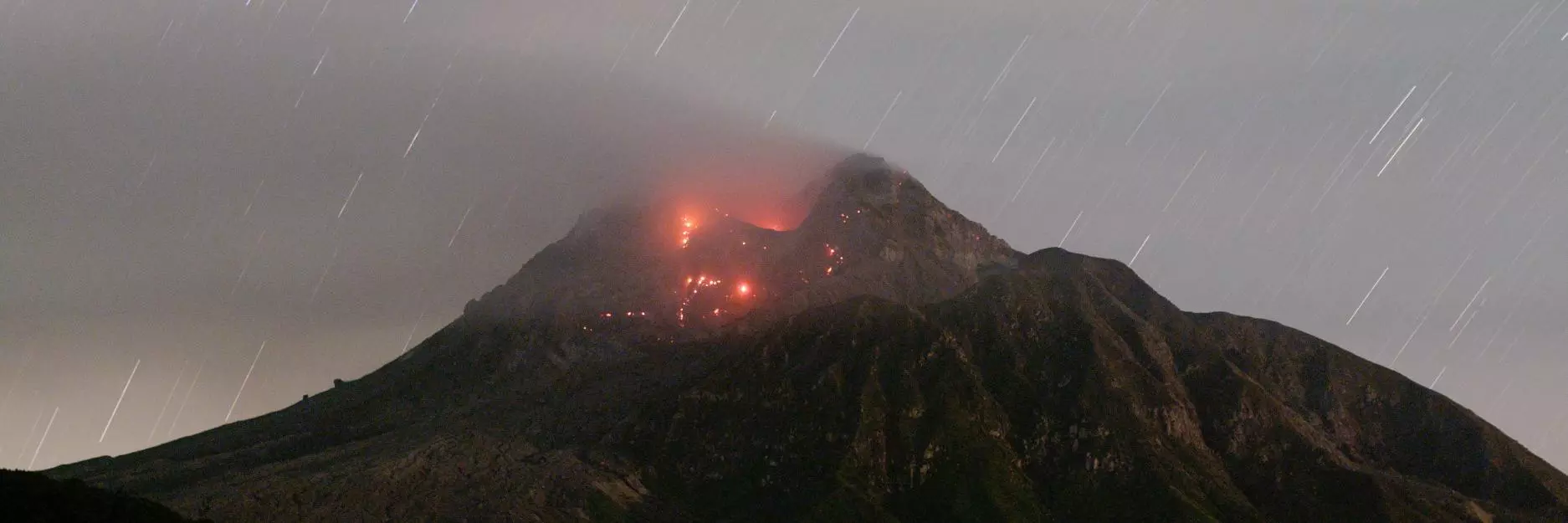
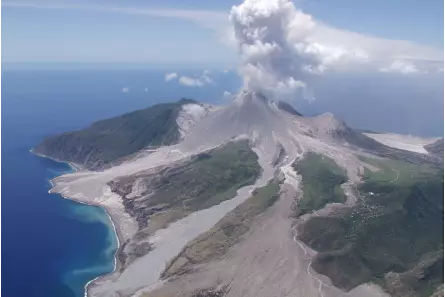
To explore the potential for co-recovery of heat and critical metals from sub-volcanic systems, the Rethinking Natural Resources programme has chosen the volcanic island on Montserrat in the Caribbean as a case study. The island comprises a number of volcanic centres, the southernmost of which, Soufriere Hills Volcano erupted almost continuously from 1995 to 2013 with devastating impact on the island's people and economy. The host rocks beneath the Soufriere Hills contain ample heat to power geothermal power plants and a variety of metals of economic value. The challenge is to establish how this resource could be recovered in practise, how such activity might benefit the island, how best to optimise the economic potential and how such a novel approach would be received by the islands' people and government. For all of these reasons, coupled with the islands' relatively small size and its aspirations to develop renewable energy, make Montserrat an ideal place to rethink our approach to natural resources recovery in the context of the energy transition. This is a challenge that requires input from earth scientists, social scientists, chemist, economists. lawyers and historians.
We take as the starting point for our programme the framework of the Natural Resource Governance Institute's Natural Resources Charter, adapting it to the demands of a sustainable energy transition through our Montserrat case-study. We have aligned our research questions with four 'pillars' of the NRC (Getting a good deal, Managing revenues, Investing for sustainable development and International foundations for resource governance) that we adapt into four intertwined themes: Resources, Rights, Risks, and Resilience. These themes are woven into four work packages, each cutting across the various disciplines represented by the programme team. The work packages are designed to triangulate research on: geology and geophysics experiments carried out in co-ordination with Montserrat Volcano Observatory; smart materials for the recovery of critical metals from hot geothermal fluids; economic and legal practice models based on emerging data on resource productivity; and qualitative research in the form of interviews and small workshops involving the Government and people of Montserrat. Collectively the programmes findings will identify key inflection points for sustainability and equity in the development of new green resources with implications not only for Montserrat, but for other parts of the world where geothermal resources are available.
Our research themes
WP 1: Geophysics
This work package will use geophysical methods to optimise exploration for geothermal fluids in the subsurface.
WP 2: Volcanology and Material Sciences
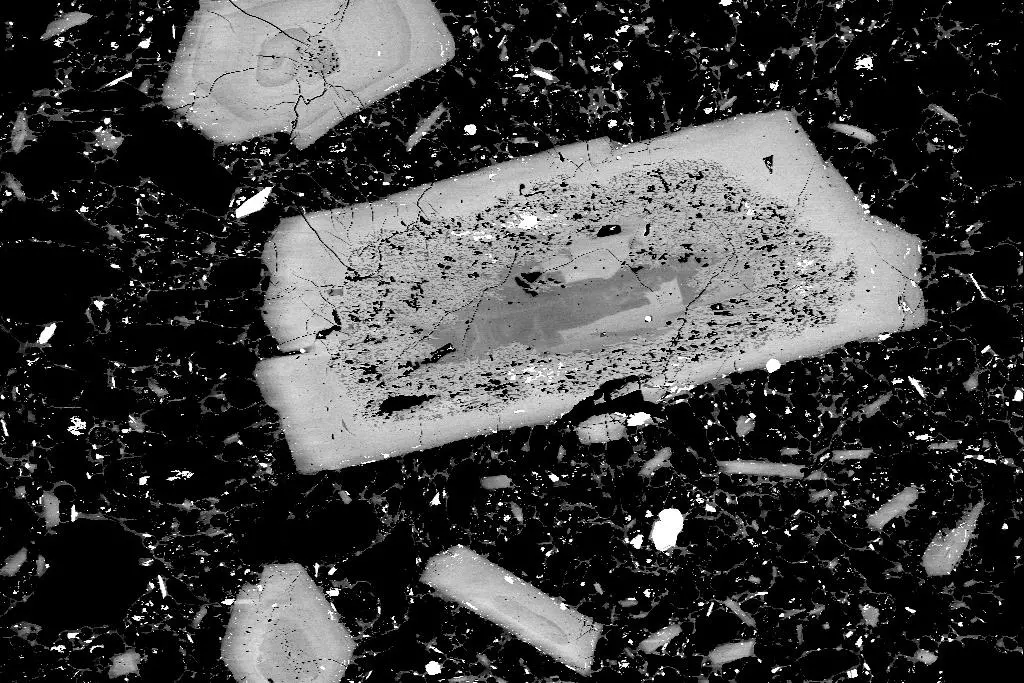
This work package focuses on characterizing the metal endowment of Montserrat geothermal fluids and exploring ways to recover these metals to the surface.